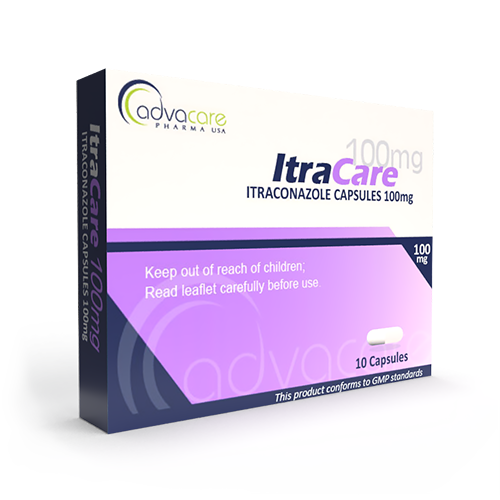


Itraconazole Capsules
Dosage
Packaging
What is Itraconazole?
Active Ingredients: Itraconazole
traconazole Capsules are a broad-spectrum triazole antifungal indicated for serious systemic fungal infections (such as histoplasmosis, blastomycosis, and aspergillosis) as well as superficial dermatophytic infections in adult and pediatric populations under clinical supervision. In severe histoplasmosis, updated clinical practice guidelines recommend oral itraconazole as the preferred post-induction agent after initial clinical response to intravenous amphotericin B.
Itraconazole belongs to a class of drugs known as azole antifungals. It is in the subgroup triazole, which is indicated to treat systemic infections. The active ingredient prevents the fungi from producing ergosterol, an essential substance for the fungal cell membrane.
After oral administration, this drug reaches peak plasma concentrations after 2-5 hours. The terminal half-life of this drug ranges from 16 to 28 hours and increases to 34 to 42 hours after repeated dosing. It is rapidly absorbed after oral administration and the oral bioavailability is about 55%. These capsules have maximal oral bioavailability when taken immediately after a full meal. Patients with reduced gastric acidity or patients with achlorhydria have reduced absorption. This drug binds to proteins in the plasma, about 99.8% of the drug and it is distributed in a large volume in the body with extensive distribution into tissues. Its concentrations in the lungs, kidneys, liver, bone, stomach, spleen, and muscles are 2-3 times higher than the concentrations in plasma, while the concentration in the skin is 4 times higher. Concentrations in the cerebrospinal fluid are lower than those in plasma.
This drug is metabolized by the liver and it is excreted mainly as inactive metabolites in urine (35%) and in feces (54%) after one week of oral dose. The concentration in the skin persists for 2 to 4 weeks after the treatment, and in nails, it can be detected 1 week after the start of the treatment and can last for 6 months after a 3-month treatment period.
AdvaCare Pharma is a global supplier of Itraconazole Capsules. AdvaCare excels at the production of high-quality yet cost-effective treatments. This medication is manufactured in our GMP-certified facilities located in China, India, and the USA.
Why are we a quality Itraconazole manufacturer?
AdvaCare Pharma is a GMP manufacturer of Itraconazole Capsules. Our strategically located facilities ensure that our company has complete control over the supply chain, meaning higher quality products and lower costs for transportation and importation. Over the past 20 years, we have built a solid reputation as a leading manufacturer of pharmaceutical products across 65 countries.
Uses
What is Itraconazole used for?
It is used to treat serious systemic and localized fungal infections caused by susceptible organisms. It is indicated for:
- Histoplasmosis (including chronic cavitary, disseminated, and post-induction therapy for severe acute pulmonary disease)
- Blastomycosis (pulmonary and extrapulmonary)
- Aspergillosis (pulmonary and extrapulmonary in patients intolerant or refractory to amphotericin B)
- Onychomycosis (fungal infections of toenails or fingernails caused by dermatophytes)
How are Itraconazole Capsules used?
This medication is manufactured to be taken orally. Itraconazole Capsules should be taken after eating a full meal. The capsule must be swallowed whole.
What dose should be taken?
The usual dose for adults is 100-200mg.
The usual dose for children is 100mg or less.
Dosage varies based on infection type, severity, and patient clinical status:
- Blastomycosis & Mild-to-Moderate Histoplasmosis: Recommended adult dose is 200mg once daily. If no improvement occurs, dosage may be increased by 100mg increments up to 400mg/day (doses >200mg/day should be given in two divided doses).
- Severe Histoplasmosis (Post-Induction Step-Down): Following initial IV amphotericin B induction, oral itraconazole is the preferred azole. Standard dosing begins with a loading dose of 200mg three times daily for 3 days, followed by 200mg twice daily for at least 12 months. Therapeutic bridging may be used to achieve target serum concentrations (1–4 mg/L) prior to stopping amphotericin B.
- Aspergillosis: 200mg to 400mg daily.
- Loading Dose for Life-Threatening Infections: 200mg three times daily for the first 3 days.
- Onychomycosis: Toenails: 200mg once daily for 12 weeks. Fingernails: Pulse therapy of 200mg twice daily for 1 week, followed by 3 weeks off, for 2 cycles.
The exact dosage is dependent on medical condition, response to the treatment, age, and weight. Refer to a doctor or pharmacist for guidelines on dosage to get individualized advices. Do not exceed what they advise.
Who can benefit the most from Itraconazole Capsules?
These capsules benefit immunocompromised and immunocompetent patients facing systemic or localized fungal infections. Patients with histoplasmosis—particularly those transitioning to oral maintenance therapy following initial intravenous amphotericin B stabilization—as well as those with blastomycosis, refractory aspergillosis, and dermatophytic onychomycosis derive significant therapeutic benefit from this agent.
Are only Itraconazole Capsules enough for treating fungal infections?
It depends on the severity of the health condition. In some cases, only Itraconazole is enough for treating fungal infections, however, in many cases other supplements and drugs are needed.
Who can use Itraconazole Capsules?
These capsules can be used for both children and adults but the dosage depends on the current health status and the patient’s age. Itraconazole should be used with caution in the following patient categories.
Pediatric Safety and efficacy in pediatric populations have not been established through formal controlled trials; however, updated IDSA clinical practice guidelines support oral itraconazole for post-induction step-down therapy in pediatric patients with severe histoplasmosis under specialist oversight. Dosing should be individualized based on body surface area or weight, accompanied by therapeutic drug monitoring.
Pregnant Itraconazole carries potential risk to the fetus based on animal studies showing embryotoxicity and teratogenicity. It is strictly contraindicated for non-life-threatening conditions such as onychomycosis. However, updated 2026 IDSA consensus guidelines indicate that in life-threatening systemic fungal infections like severe histoplasmosis, post-induction itraconazole may be considered when maternal benefit outweighs potential fetal risk, under expert multidisciplinary care.
Nursing This medicine is excreted through the women’s milk and it might lead to potential risks to the infant. The benefits of breastfeeding, the patient’s clinical need, and any potential risk to the nursing infant should be considered when administering Itraconazole to women who are breastfeeding.
Geriatric These capsules should be used in older patients only when the potential benefits outweigh the potential risks. The dosage should be carefully selected due to their decreased hepatic, renal, or cardiac function, and also the concomitant diseases or other drugs that the patient is taking. Some of the reported side effects in older patients who take this drug are hearing loss, especially in cases when Itraconazole is taken in concurrent administration of quinidine.
Other warnings
Itraconazole can lead to serious hepatotoxicity including liver failure and even death. This usually happens in cases when patients have a pre-existing liver disease and can happen even in the first week of treatment. If patients develop some symptoms or signs, they should consult with a healthcare professional to examine the liver parameters.
Treatment with Itraconazole might lead to cardiac dysrhythmias or sudden death, especially in patients who are taking drugs like cisapride, pimozide, methadone, or quinidine concomitantly with itraconazole and/or other CYP3A4 inhibitors.
Patients with ventricular dysfunction should not use these capsules for the treatment of onychomycosis because it might lead to serious consequences. The medication might also lead to congestive heart failure in rare cases.
If you think you took a higher dose, call a healthcare professional or local poison control center, or go to the nearest hospital emergency room right away.
Inform your doctor about any prescribed or unprescribed drugs that you are taking at the moment.
Side Effects
As with all pharmaceuticals, some unwanted effects can occur from the use of Itraconazole Capsules.
Common side effects include, but may not be limited to:
- headache
- upset stomach
- dizziness
- vomiting
- nausea
- diarrhea
Serious side effects may include:
- hearing loss
- numbness or tingling of arms or legs
- depression
- mental changes
For a comprehensive understanding of all potential side effects, consult a medical professional.
If any symptoms persist or worsen, or you notice any other symptoms, please call your doctor immediately.
Precautions
Do NOT use Itraconazole Capsules if:
- You are allergic to Itraconazole or any of the other ingredients.
- You have kidney or liver disease.
- You have ever had congestive heart failure.
Possible interactions may occur with other pharmaceutical products. Consult with a doctor or pharmacist about any medications you are taking before beginning treatment.
Patients should not take this drug if they have a fungal nail infection and are pregnant or planning to become pregnant within 2 months after the treatment. Breastfeeding women should consult with a gynecologist before taking this drug.
The usage of this drug might lead to liver problems. Patients who have liver problems should inform their doctors before taking Itraconazole. Blood tests should be performed to check the patient’s current health condition.
This drug might lead to dizziness or blurred/double vision. Patients who take this drug should not drive or use machines.
Alcohol should be avoided, as it may worsen the adverse effects caused by Itraconazole.
Patients should inform their doctors if they notice any side effects and immediately limit the usage of Itraconazole.
References
A Double-Blind, Randomized, Placebo-Controlled Trial of Itraconazole Capsules as Antifungal Prophylaxis for Neutropenic Patients
The goal of this research was to evaluate the efficacy of itraconazole capsules in prophylaxis for fungal infections in neutropenic patients.
It is a prospective, double-blind, placebo-controlled, randomized trial in which patients with hematologic malignancies or those who received autologous bone marrow transplants received either itraconazole (100mg orally twice daily; n = 104) or placebo (n = 106).
In the placebo group, fungal infections (either superficial or systemic) occurred more frequently compared to the treatment group (15% vs. 6%; P = .03). Patients also experienced severe and prolonged neutropenia, but those treated with itraconazole required less empirical amphotericin B (22% vs. 61%; P = .0001) and had fewer systemic fungal infections (6% vs. 19%; P = .04).
The conclusion is that itraconazole capsules at a dosage of 100mg every 12 hours to patients with severe and prolonged neutropenia reduce the incidence of systemic fungal infections and decrease the need for empirical amphotericin B.
Clinical Practice Guideline Update: Initial Antifungal Treatment of Severe Histoplasmosis in Adults, Children, and Pregnant Individuals (Infectious Diseases Society of America, 2026)
The goal of this expert consensus update was to provide contemporary, evidence-based recommendations on the initial antifungal management of severe acute pulmonary and disseminated histoplasmosis, step-down azole selection, and therapeutic drug monitoring protocols.
It is an updated clinical practice consensus statement developed by an international multidisciplinary panel of infectious disease specialists utilizing the GRADE (Grading of Recommendations Assessment, Development, and Evaluation) framework to evaluate evidence across adult, pediatric, and maternal patient populations.
In patients presenting with severe acute pulmonary or disseminated histoplasmosis, initial induction therapy with intravenous liposomal amphotericin B (3 mg/kg daily for non-CNS; 5 mg/kg daily for CNS disease) is recommended. Oral itraconazole is explicitly designated as the preferred azole for post-induction step-down therapy once initial clinical improvement is achieved. The recommended dosing regimen for conventional oral itraconazole capsules is a loading dose of 200 mg three times daily for 3 days, followed by a maintenance dose of 200 mg twice daily for a minimum of 12 months. The guidance supports therapeutic bridging—initiating oral itraconazole while completing amphotericin B—to ensure target drug exposure before IV therapy is discontinued. Therapeutic drug monitoring (TDM) is recommended after 1–2 weeks of treatment, with a target random serum concentration of 1 to 4 mg/L.
The conclusion is that oral itraconazole is the primary preferred agent for post-induction step-down therapy in severe histoplasmosis, with therapeutic bridging and serum monitoring (1 to 4 mg/L) serving as key clinical practices to ensure efficacy and reduce relapse risk.
A Double-Blind, Randomized, Placebo-Controlled Trial of Itraconazole Capsules as Antifungal Prophylaxis for Neutropenic Patients
The goal of this research was to evaluate the efficacy of itraconazole capsules in prophylaxis for fungal infections in neutropenic patients.
It is a prospective, double-blind, placebo-controlled, randomized trial in which patients with hematologic malignancies or those who received autologous bone marrow transplants received either itraconazole (100mg orally twice daily; n = 104) or placebo (n = 106).
In the placebo group, fungal infections (either superficial or systemic) occurred more frequently compared to the treatment group (15% vs. 6%; P = .03). Patients also experienced severe and prolonged neutropenia, but those treated with itraconazole required less empirical amphotericin B (22% vs. 61%; P = .0001) and had fewer systemic fungal infections (6% vs. 19%; P = .04).
The conclusion is that itraconazole capsules at a dosage of 100mg every 12 hours to patients with severe and prolonged neutropenia reduce the incidence of systemic fungal infections and decrease the need for empirical amphotericin B.
