
What is the meaning of Pharmaceutical Tablets?
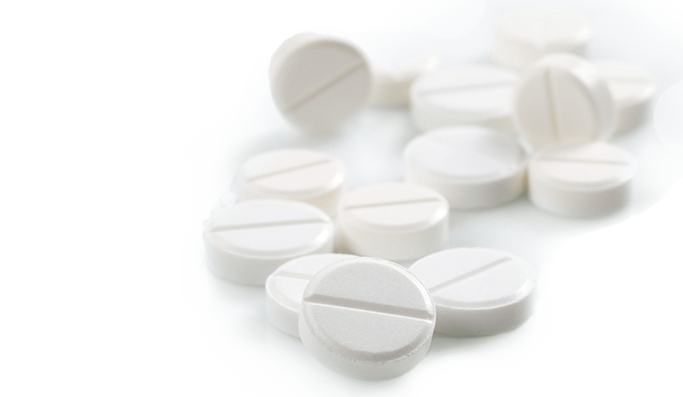
Pharmaceutical tablets are solid medications in a compressed or molded form. They are one of the most common and widely used forms of oral medications. Tablets are typically made by compressing a mixture of the active drug/s and excipients, which are inert substances that aid in the tablet formation process.
Pharmaceutical tablets come in various shapes, sizes, and colors, depending on the specific medication and formulation requirements. They are designed to be swallowed and dissolve in the gastrointestinal tract to release the active drug for systemic absorption.
Tablets offer several advantages, including ease of administration, precise dosing, stability, and convenience. They can be manufactured with different release profiles, such as immediate release (IR tablets), delayed release (DR tablets), or extended release (ER tablets), allowing for tailored drug delivery. Pharmaceutical tablets also provide a means of masking unpleasant tastes or odors and can be scored or coated to aid in swallowing or improve palatability. These features help in ensuring patient compliance.