When Infection Demand Spikes: Building an Outbreak-Ready Antibiotic Portfolio


Key Takeaways
- Infection demand has been outpacing a distributor's typical purchasing calendar, WHO logged 47,758 cholera and acute watery diarrhoea cases across 18 countries in June 2026, a 60% jump in one month.
- A single outbreak pulls injectables through hospitals, orals through pharmacy and suspensions through pediatric care at the same time, each on its own margin and lead time.
- Preparedness is portfolio structure, not overstock: segment the range into core, surge-ready, hospital/tender, regional and backup lines, and register products before you need them.
- One GMP manufacturer covering tablets, capsules, suspensions, injections, topicals and ophthalmics means fewer audits, fewer contracts and one lead time when the market moves.
Contents Overview
Why Infectious Disease Surges Expose Supply Gaps

Most antibiotic purchasing is built on known demand, previous sales, hospital consumption, customer forecasts. Infectious disease does not respect that arithmetic. Seasonal respiratory infections pull one group of products while a localized outbreak pressures another, and hospitals can need injectable antibiotics in volume the same week pharmacies clear their oral tablets and capsules.
Gaps also open with no outbreak at all: a competitor stocks out, a shipment is delayed, or an institutional order lands with two weeks' notice. A narrow portfolio has no answer to any of these.
Preparedness is not holding every antibiotic in the warehouse, that trades stockouts for expiry and tied-up capital. The commercial question is which SKUs must sit in local stock, and which can be pulled quickly from a pharmaceutical manufacturing partner once product registration is already in place.
What the 2026 Cholera Situation Can Teach Distributors

The World Health Organization reported 47,758 new cholera and acute watery diarrhoea cases across 18 countries in June 2026 across 18 countries and four WHO regions, a 60% increase on the previous month. .
The detail behind the headline is the part distributors should read. Nigeria alone accounted for 19,887 of those cases, and Borno State for more than 95% of Nigerian cases recorded in 2026. National figures climb sharply while actual need stays concentrated in a handful of districts, which makes this a sourcing problem rather than a stockpiling one.
The clinical picture matters commercially. WHO advises that most cholera patients are managed with oral rehydration solution, while severely dehydrated patients require intravenous fluids, ORS and antibiotics selected according to local treatment and susceptibility guidance. One event therefore moves product across the full antibiotic range (link: antibiotics category page — see note) at once: retail pharmacy, hospital wards and government procurement (link: /en/distributorship) buying different forms, in different volumes, on different cycles. What decides whether a distributor can serve all three is the breadth already sitting behind them at GMP-certified production
One Market Can Face Several Types of Infection Demand
Cholera is getting attention this year, but most distributors are managing a much wider range of infectious disease requirements at any given time. Demand can come from enteric and gastrointestinal infections, respiratory infections, skin and wound infections, urinary tract infections, ocular infections, and severe infections treated in hospitals.
Those are very different treatment environments. A community pharmacy needs high-volume oral products. Pediatric treatment creates demand for liquid formulations. Hospitals lean on injectables. Eye and skin infections bring topical and ophthalmic products into the mix.
This is why an antibiotic portfolio should not be built around one molecule or one dosage form. The more varied the customer base, the more valuable it becomes to have access to products that fit different treatment settings.
Dosage Form Matters Just as Much as the Molecule
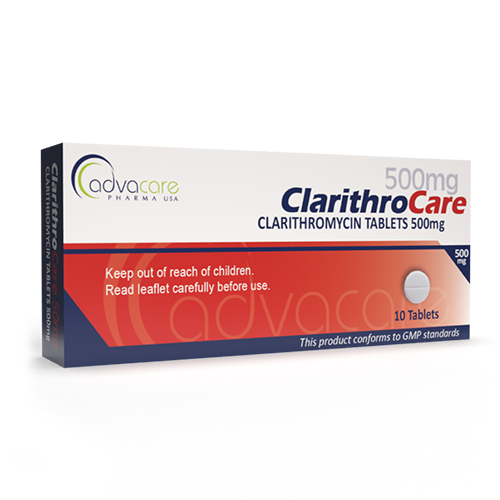
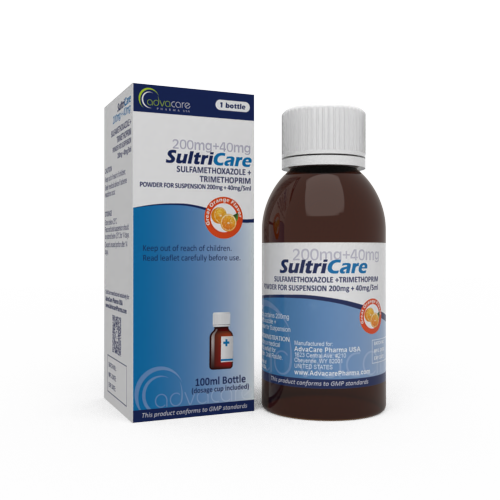
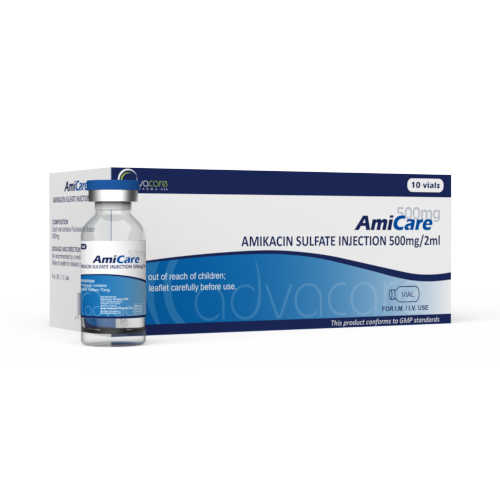


Build an Antibiotic Portfolio for Changing Market Demand
The Same Antibiotic Can Serve Different Parts of the Market

Amoxicillin + Clavulanate Potassium Tablets
AclavCare™Available in tablets, oral suspension and injection, allowing distributors to cover both outpatient and institutional requirements with the same antibiotic combination.
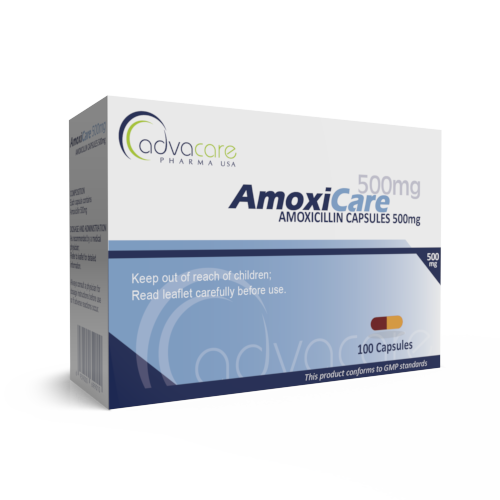
Amoxicillin Capsules
AmoxiCare™Available in capsules, tablets, oral suspension and injection, providing options for adult, pediatric and hospital-focused portfolios.

Azithromycin for Oral Suspension
AzithroCare™Available in tablets, capsules and oral suspension, giving distributors flexibility across adult and pediatric oral antibiotic ranges.
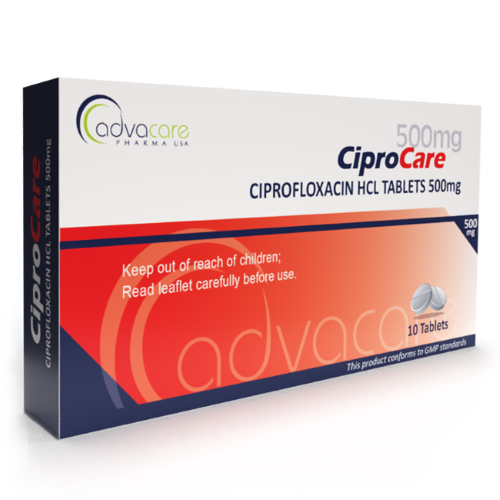
Ciprofloxacin Tablets
CiproCare™Available in tablets, injection, eye drops and eye ointment, extending the same antibiotic across oral, hospital and ophthalmic product categories.
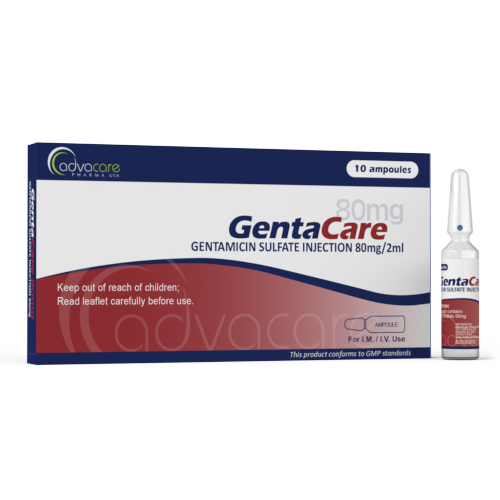
Gentamicin Injection
GentaCare™Available in injection, cream or ointment, and eye drops, supporting hospital, topical and ophthalmic requirements within one product family.
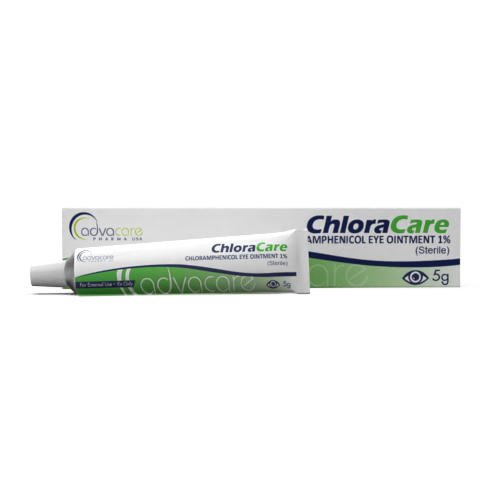
Chloramphenicol Eye Ointment
ChloraCare™Available in capsules, injection, eye drops and eye ointment, providing coverage across systemic and ophthalmic dosage forms.
Divide Your Portfolio by How Products Are Actually Used
Core Inventory
Established products with regular demand from pharmacies, hospitals or other healthcare customers. These generally justify continuous local stock.
Surge-Ready Products
Products that can move faster during seasonal infection periods, localized outbreaks, or shifts in prescribing and procurement patterns.
Hospital Products
Injectables and other institutional products behave differently from retail lines. Their demand depends more on tenders, hospital contracts and planned procurement cycles.
Regional or On-Demand Products
Products worth keeping inside the sourcing portfolio even when volumes do not justify carrying them in the warehouse year-round.
Backup & Alternative Products
Products that provide alternatives when a preferred antibiotic, strength or dosage form becomes temporarily unavailable. Maintaining access to suitable alternatives can help distributors respond to supplier shortages, shipment delays or unexpected changes in customer demand.
Preparedness Should Not Mean Overstocking
There is always a balance between being ready and carrying too much.
Large inventories tie up working capital and raise the risk of expiry. Very lean inventories create the opposite problem, leaving no room to respond when demand climbs.
Safety stock is best decided at SKU level rather than applied evenly across the range. Fast-moving products can justify a larger buffer. Tender products are usually bought around known procurement cycles. Lower-volume products can often stay available through planned or on-demand sourcing instead.
Expiry management deserves the same attention. WHO good storage and distribution guidance supports First-Expiry, First-Out (FEFO), so that products with the earliest expiry dates are distributed first.
The aim is straightforward: carry enough of the right products while keeping the portfolio commercially manageable.
Antibiotic Supply Has to Support Responsible Use

No discussion of antibiotic preparedness is complete without antimicrobial stewardship.
Antimicrobial resistance is already one of the most serious pressures on healthcare systems. WHO reports that roughly one in six laboratory-confirmed bacterial infections worldwide were resistant to antibiotic treatment in 2023, and that bacterial AMR was associated with more than 4.7 million deaths in 2021. Unnecessary or inappropriate use adds to that burden.
WHO's AWaRe framework supports more responsible antibiotic selection, with guidance on appropriate treatment, dose, route and duration for common infections. Cholera is a clear illustration: WHO does not recommend mass antibiotic administration during outbreaks, because it has no proven effect on spread and may contribute to resistance.
For distributors, responsible supply starts at product selection. The goal is not the largest possible antibiotic range. It is a range that makes sense for the market, its healthcare channels, local registration requirements, treatment guidelines and resistance patterns. That is a stronger long-term position for the distributor and for the healthcare system it supplies.
Building a More Flexible Antibiotic Portfolio with AdvaCare Pharma
Broad Antibiotic Range
Access a wide selection of antibacterial medicines across different therapeutic and market requirements.
Multiple Dosage Forms
Tablets, capsules, suspensions, injections, topicals and ophthalmic preparations are available within the broader antibiotic portfolio.
Global Distribution Experience
AdvaCare Pharma works with pharmaceutical distributors across more than 65 countries.
GMP Manufacturing
Pharmaceutical products are manufactured in facilities operating according to GMP requirements.
More Consolidated Sourcing
Several antibiotic categories and dosage forms available through one pharmaceutical manufacturing partner.
The next infectious disease surge cannot be predicted. The portfolio behind it can be planned. The strongest position is knowing which antibiotics need to be held every day, which ones may be needed when demand rises, and which formulations should stay available for when the market calls for them.
