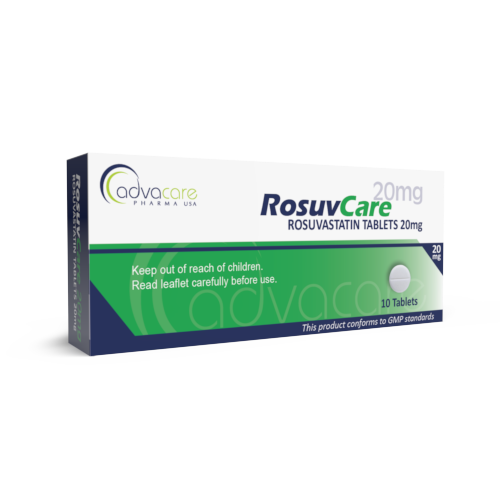


Rosuvastatin Tablets
Dosage
Packaging
What is Rosuvastatin?
Active Ingredients: Rosuvastatin
Rosuvastatin Tablets are a drug used to treat high cholesterol and to lower the risk of stroke, heart attack, coronary heart disease, and other heart complications primarily in people with heart disease, diabetes, or other risk factors (e.g., age, smoking). It is most effective when combined with a low-fat/low-cholesterol diet and other lifestyle changes.
Rosuvastatin is indicated for the treatment of primary hyperlipidemia and mixed dyslipidemia, homozygous FH, primary dysbetalipoproteinemia, and hypertriglyceridemia.
Rosuvastatin belongs to the group of medicines called HMG-CoA reductase inhibitors (statins). It works by blocking HMG-CoA reductase, a liver enzyme the body needs to make cholesterol. This effect slows the production of cholesterol and decreases the chance of build-up accumulating in arteries.
Rosuvastatin Tablets are produced in our GMP-certified facilities located in China, India, and the USA. Our factories are routinely inspected to ensure they meet the high standards necessary to comply with WHO guidelines and standards. AdvaCare Pharma is proud to offer a wide range of high-quality and cost-effective medical supplies that are available for distribution.
Why are we a top Rosuvastatin manufacturer?
AdvaCare Pharma is a manufacturer of Rosuvastatin Tablets and other cost-effective and sustainable pharmaceuticals for an ever-changing global market. Rosuvastatin Tablets are a GMP-compliant medicine that is available for distribution.
As a leading Rosuvastatin manufacturer, we work with international partners including pharmaceutical distributors, hospitals, pharmacies and other medical and government organizations. We have established a vested supplier-distributor relationship, ensuring a mutually advantageous outcome during market entry and development.
RosuvCare™ is supplied in 5mg, 10mg, 20mg, and 40mg strengths. The 10mg strength matches the moderate-intensity dose listed in current U.S. HIV and dyslipidemia guidance, relevant for distributors supplying cardiology, primary care, and HIV care channels.
Uses
What is Rosuvastatin used for?
It is used to treat high cholesterol and to reduce the risk of stroke, heart attack, coronary heart disease, and other heart complications in those with risk factors. It is typically combined with a low-fat, low-cholesterol diet and other lifestyle changes.
Rosuvastatin is also used to treat familial homozygous hypercholesterolemia and familial heterozygous hypercholesterolemia.
How should Rosuvastatin Tablets be used?
This medication is intended to be taken orally, once daily, with or without food. If an aluminum and magnesium hydroxide antacid is also used, take Rosuvastatin Tablets at least 2 hours before the antacid.
What dose should be taken?
The usual dose for adults is 5-40mg taken once per day; 10mg once daily is a moderate-intensity statin dose. Lower starting doses or dose limits apply for some patients, including Asian patients, people with severe kidney impairment, and people taking certain interacting medicines. Under U.S. labeling, for example, rosuvastatin should be started at 5mg and not exceed 10mg once daily with the HIV protease inhibitor combinations atazanavir/ritonavir or lopinavir/ritonavir.
Refer to a doctor or pharmacist for guidelines on dosage. Do not exceed the advisable dosage.
Is Rosuvastatin recommended for people with HIV?
Adults with HIV have a higher risk of atherosclerotic cardiovascular disease (ASCVD), and standard risk calculators can underestimate it. The 2026 ACC/AHA multisociety dyslipidemia guideline recommends statin therapy for adults with HIV aged 40–75 years, regardless of LDL cholesterol level or estimated cardiovascular risk. The U.S. DHHS Panel on Antiretroviral Guidelines concurred in its October 27, 2026 update and lists rosuvastatin 10mg once daily as a recommended moderate-intensity option (evidence rating AII), alongside pitavastatin 4mg and atorvastatin 20mg.
In people with HIV, rosuvastatin 10mg has been shown to lower LDL cholesterol, reduce markers of inflammation, and slow carotid artery wall thickening. However, the REPRIEVE trial, which showed fewer major cardiovascular events with statin therapy in people with HIV, tested pitavastatin, so equivalent outcome data for rosuvastatin are not available. This is U.S. clinical guidance rather than a separately approved indication, and interactions with antiretroviral therapy should be checked before prescribing.
Side Effects
As with all pharmaceuticals, some unwanted effects can occur from the use of Rosuvastatin Tablets.
Common side effects include, but may not be limited to:
- headache
- muscle pain
- stomach pain
- weakness
- nausea
Seek medical attention if the following develop:
- severe muscle problems
- signs of liver problems
- confusion
For a comprehensive understanding of all potential side effects, consult a medical professional.
If any symptoms persist or worsen, or you notice any other symptoms, please call your doctor immediately.
Precautions
Do NOT use Rosuvastatin Tablets if:
- You are allergic to rosuvastatin or any of the ingredients.
- You are pregnant or breastfeeding.
- You have active liver disease, including acute liver failure or decompensated cirrhosis.
Before treatment, consult your doctor regarding any medications you are taking to address potential drug interactions.
This medication may not be suitable for people with certain conditions, so it is important to consult with a doctor if you have any health conditions.
Rosuvastatin is approved in some markets for certain children with familial hypercholesterolemia (in the U.S., from age 8 for heterozygous FH and age 7 for homozygous FH). Use under 18 years of age should follow specialist advice and local product information.
References
Rosuvastatin Slows Progression of Subclinical Atherosclerosis in Patients with Treated HIV Infection
This is a double-blind, randomized, placebo-controlled trial that looks at whether rosuvastatin slows the build-up of plaque in the arteries of adults living with HIV. It enrolled 147 patients on stable antiretroviral therapy. All had LDL cholesterol of 130mg/dL or lower and signs of increased immune activation or inflammation. Participants took either rosuvastatin 10mg once daily or a placebo for 96 weeks.
Rosuvastatin lowered LDL cholesterol, and the difference from placebo held at every time point through 96 weeks. Carotid artery wall thickness (common carotid artery intima-media thickness) was measured by ultrasound. It was 0.019mm lower overall with rosuvastatin than with placebo. The difference between groups was statistically significant at 48 weeks and borderline significant at 96 weeks.
Coronary artery calcium scores changed about the same in both groups.
The conclusion is that rosuvastatin 10mg once daily effectively lowered LDL cholesterol and appeared to slow the progression of subclinical atherosclerosis in adults with treated HIV infection. The trial measured imaging markers rather than heart attacks or strokes.
