


Key Takeaways
- The global ophthalmic drugs market was valued at approximately $34 billion in 2022 and is projected to continue expanding, driven by increasing demand for treatments addressing vision impairment, glaucoma, dry eye disease, infections, and age-related eye conditions.
- At least 2.2 billion people worldwide experience vision impairment or blindness, with at least 1 billion cases considered preventable or yet to be addressed, creating continued demand for accessible ophthalmic medicines and healthcare solutions.
- Leading eye drop manufacturers include Sun Pharmaceutical Industries, Cipla, Ajanta Pharma, Viatris, Teva Pharmaceuticals, AdvaCare Pharma, Lupin, Dr. Reddy’s, Aurobindo Pharma, Sandoz, and other specialized ophthalmic suppliers, with selection based on GMP compliance, sterile manufacturing capabilities, regulatory approvals, export experience, and supply reliability.
Contents Overview
Global Ophthalmic Manufacturing Guide for Distributors

Market Standards & Essential Medicines
The global ophthalmic pharmaceutical industry is expanding rapidly as emerging markets modernize their healthcare infrastructure. According to the World Health Organization, vision impairment affects billions, driving a critical need for high-volume medical eye drops. Distributors should prioritize suppliers whose portfolios align with the WHO Model List of Essential Medicines, which mandates the availability of agents like Gentamicin and Dexamethasone.
Selecting a manufacturer today involves auditing their sterile production capabilities to avoid the financial risk of product recalls. This guide provides importers and procurement officers with the criteria needed to identify reliable pharmaceutical manufacturers that offer both regulatory compliance and supply chain resilience for the 2026 fiscal year.
Why Ophthalmic Products Require Specialized Manufacturing
Sterility as a Regulatory Barrier
Unlike oral medications, eye drops must be 100% sterile to prevent irreversible ocular infections, as they are applied directly to sensitive mucosal tissue. The EU GMP Annex 1 revision now mandates that sterile manufacturers implement a comprehensive Contamination Control Strategy (CCS). For distributors, this means sourcing from facilities that utilize advanced HEPA filtration and aseptic filling processes—ensuring that products meet the highest safety benchmarks required for international market entry.
Partnering with a supplier that invests in modern cleanroom technology reduces your commercial liability. By adhering to these quality standards, distributors can avoid costly regulatory delays and ensure long-term shelf stability, which translates to higher sell-through rates and brand trust in local territories.
Global GMP Standards for Sterile Eye Drops

Technical Compliance & Registration ROI
Good Manufacturing Practice (GMP) is the non-negotiable baseline for pharmaceutical trade. International distributors must prioritize suppliers with WHO-GMP or US FDA cGMP certifications to ensure medical products are consistently produced and controlled. High-tier manufacturers focus on Water for Injection (WFI) systems and continuous environmental monitoring, which directly impacts the purity of the final ophthalmic solution.
Beyond safety, manufacturers with expertise in regulated markets provide the comprehensive technical data—including stability testing and bioequivalence studies—needed to clear local health authority hurdles. This technical support can reduce registration timelines from 24 months down to 12 months, allowing you to realize ROI on new product launches significantly faster.
GMP Case Study: Protecting Your Distribution License

The Financial Impact of Sterility
Eye drops are high-risk sterile pharmaceuticals. Even minor microbial contamination during filling can lead to immediate product recalls, which not only causes financial loss but can also lead to the permanent revocation of a distributor's import license.
Auditing Pressure Differentials
Health authorities inspect facilities based on air pressure differentials and personnel hygiene. Documentation must provide an unbroken audit trail proving that sterility was maintained from the raw material stage through to the final sealed bottle.
Mitigating Biological Hazards
Major risks include cleanroom degradation and poor water quality. Professional manufacturers use validated sterilization methods, such as terminal sterilization or aseptic filtration, to eliminate these biological hazards before the product leaves the factory.
Verification via COA & Stability Data
Distributors must request a Certificate of Analysis (CoA) for every batch. These documents, alongside real-time stability studies, prove the solution remains effective and sterile in your specific climate zone until the official expiry date.
Reducing Commercial Risk
Transparent quality systems mean fewer regulatory audits and zero downtime. By partnering with a factory that proactively shares QC data, you safeguard your local reputation and ensure a steady supply for hospital tenders.
2026 Ranking Criteria for Ophthalmic Suppliers
Regulatory Compliance (30%)
Evaluation of GMP certification, regulatory inspection history, quality management systems, sterile manufacturing controls, and compliance with applicable international pharmaceutical standards. For manufacturers supplying the US market, priority is given to those with zero 483 observations or non-compliance reports in the last 36 months.
Manufacturing Capability (25%)
Assessment of sterile ophthalmic production capabilities, aseptic filling processes, quality control infrastructure, production capacity, and ability to support consistent supply volumes across diverse international markets.
Portfolio Breadth (15%)
One-stop sourcing across ophthalmic categories, including anti-infectives, corticosteroids, and glaucoma treatments, helps distributors consolidate suppliers, simplify procurement processes, and reduce unnecessary logistics complexity by managing fewer shipments and supplier relationships.
Export Logistics Experience (15%)
Proven ability to manage cold-chain requirements and navigate international customs for sensitive sterile goods. Evaluation of export history, experience supporting international registrations, distributor partnerships, and ability to manage pharmaceutical documentation and logistics requirements.
CTD Dossier Provision (10%)
Evaluation of CTD dossiers, product registration documentation, Certificates of Pharmaceutical Product (CPP) where applicable, Certificates of Analysis (CoA), and support for local market approvals to ensure rapid-track approval by local Ministries of Health.
Private Labeling Flexibility (5%)
Assessment of packaging customization, private-label options, minimum order flexibility, and distributor support.
Regional Manufacturing Hubs: A Comparison

The global supply chain is segmented by scale and regulatory specialization. According to market data from IBEF, leading hubs are projected to reach record export volumes by 2026. Tier-1 multinational leaders provide massive scale for highly regulated Western markets, while specialized ophthalmology firms offer expertise in complex formulations and preservative-free technology.
For distributors in developing regions, mid-tier suppliers often provide the best balance of flexibility and cost-efficiency, offering lower Minimum Order Quantities (MOQs). Importers must verify that their chosen supplier's focus—whether it be hospital-grade ophthalmological products or retail OTC drops—aligns with their specific market penetration strategy.
The Strategic Growth of Ophthalmic CDMO Services

Outsourcing for Faster Market Entry
Contract Development and Manufacturing Organizations (CDMOs) are becoming essential for distributors looking to launch private-label brands. Building a sterile facility requires a capital expenditure of US$ 50 million or more; outsourcing allows companies to bring products to market for a fraction of that cost. Industry records show CDMOs are increasingly adopting multi-product sterile lines to accommodate both traditional small molecules and emerging biologics.
Modern CDMOs provide end-to-end services, from formulation to ICH-compliant stability testing. This model is highly effective for winning government tenders, where customized packaging or specific dosage forms (like single-use vials) are often required. By leveraging CDMO expertise, distributors can focus on marketing and sales while leaving complex sterile manufacturing to specialized technicians.
Ophthalmic Supplier Due Diligence Checklist

Sterile License Verification
Confirm that the manufacturer's license explicitly authorizes the production of sterile ophthalmic liquids, not just general pharmaceuticals.
Climatic Zone Stability
Verify that stability data supports the required 24-month shelf life within your region's specific climatic zone (e.g., Zone IVb for hot/humid areas).
Cleanroom Grade Standards
Ensure filling occurs in a Grade A (ISO 5) environment with a Grade B background to meet international aseptic standards.
Regulatory Dossier Quality
Request sample CTD dossiers to ensure they include the necessary validation data for fast-track approval by your local Ministry of Health.
Top Eye Drop Manufacturers & Ophthalmic Pharmaceutical Suppliers (Global Ranking)
The global ophthalmic manufacturing landscape includes multinational pharmaceutical companies, specialty ophthalmology manufacturers, and export-focused pharmaceutical partners. While some suppliers compete through global scale and regulated-market presence, others differentiate through flexibility, market accessibility, and distributor-focused support. Selecting the right partner is vital for balancing regulatory safety, competitive pricing, and long-term market support.
*Disclaimer: The following ophthalmic pharmaceutical manufacturers are presented in alphabetical order and are not ranked by company size, product quality, or market position. Each company has been selected based on its relevance within the global ophthalmic supply chain, including manufacturing capabilities, regulatory experience, ophthalmic product presence, international market access, and suitability for pharmaceutical distributors.
✔ AdvaCare Pharma
AdvaCare Pharma is an international pharmaceutical manufacturer and supplier supporting distributors across 65+ countries. The company combines GMP-compliant manufacturing, global market experience, flexible production capabilities. Within ophthalmology, AdvaCare Pharma supports the supply of essential eye-care medicines, helping partners access reliable products for diverse markets where availability, affordability, and consistent supply are critical. AdvaCare Pharma is best suited for partners seeking a responsive long-term pharmaceutical supplier with end-to-end support from product selection through market entry.
✔ Ajanta Pharma
Ajanta Pharma is one of the more ophthalmology-focused companies in India, with a dedicated presence in eye-care medicines alongside other specialty therapeutic areas. The company supplies ophthalmic products used in areas such as glaucoma, infections, and ocular inflammation, supported by international export experience. Ajanta is particularly relevant for distributors looking for a supplier with deeper ophthalmology specialization rather than a diversified pharmaceutical portfolio.
✔ Alembic Pharmaceuticals
Alembic Pharmaceuticals has developed international expertise in branded generics and specialty pharmaceutical products, including ophthalmic formulations. The company combines pharmaceutical manufacturing experience with growing presence in regulated markets, particularly the United States. Alembic is relevant for distributors seeking a flexible supplier with international compliance standards and formulation capabilities.
✔ Aurobindo Pharma
Aurobindo Pharma is one of India’s largest pharmaceutical exporters and is recognized for its large-scale generic medicine manufacturing capabilities. Its ophthalmic strength comes from formulation expertise, sterile product capabilities, and the ability to support international supply chains. Aurobindo is a strong option for distributors seeking competitive pricing, production capacity, and experience supplying regulated markets.
✔ Cipla
Cipla is a leading Indian pharmaceutical manufacturer with strong experience supplying affordable medicines across emerging and regulated markets. Its ophthalmic portfolio includes eye-care products across categories such as anti-infectives, anti-inflammatory treatments, and supportive ophthalmic therapies. Cipla’s strength lies in combining broad manufacturing capabilities with extensive market access, making it a strong choice for distributors focused on reliable supply, healthcare accessibility, and emerging-market distribution.
✔ Dr. Reddy’s Laboratories
Dr. Reddy’s Laboratories is a global pharmaceutical manufacturer with significant experience in regulated markets and sterile pharmaceutical formulations. The company’s ophthalmic relevance comes from its capabilities in generic medicines, quality systems, and international registrations. Dr. Reddy’s is suitable for distributors prioritizing regulatory confidence, manufacturing reliability, and access to established pharmaceutical markets.
✔ Lupin Limited
Lupin is a multinational pharmaceutical company with expertise in generic medicines, specialty products, and regulated-market pharmaceuticals. The company has experience developing and manufacturing a range of prescription products, including ophthalmic formulations, supported by internationally compliant manufacturing facilities. Lupin’s relevance for ophthalmic distributors comes from its combination of formulation expertise, regulatory experience, and international market presence. The company is particularly suited for buyers seeking a pharmaceutical partner capable of supporting eye-care product registrations and supply across developed and emerging markets.
✔ Micro Labs
Micro Labs is an Indian pharmaceutical company with strong experience in branded generics and emerging healthcare markets. The company has developed an ophthalmology presence through eye-care products supplied across international markets, particularly where affordability and accessibility are key considerations. Micro Labs is suited for distributors seeking regional market expertise and flexible pharmaceutical supply solutions.
✔ Sandoz
Sandoz is one of the world’s leading generic and biosimilar medicine suppliers, with a global manufacturing network and extensive regulatory experience. Its ophthalmic relevance comes from its sterile pharmaceutical capabilities, quality systems, and ability to support international healthcare markets. Sandoz is best suited for distributors seeking a globally recognized supplier with strong compliance infrastructure.
✔ Sun Pharmaceutical Industries (Sun Pharma)
Sun Pharma is one of India’s largest pharmaceutical companies and has built a strong presence in ophthalmology through prescription eye-care products covering areas such as glaucoma, ocular inflammation, and chronic eye conditions. The company combines large-scale pharmaceutical manufacturing with specialty-care expertise, making it relevant for distributors seeking an established ophthalmic supplier with experience serving regulated markets. Sun Pharma is best suited for buyers prioritizing manufacturing depth, regulatory experience, and access to a broad international healthcare network.
✔ Titan Laboratories
Titan Laboratories represents the growing segment of specialized pharmaceutical suppliers focused on flexibility, niche products, and customized manufacturing opportunities. Compared with multinational companies, suppliers in this category may offer more adaptable commercial arrangements and private-label opportunities. For ophthalmic distributors, evaluation should focus on GMP compliance, sterile manufacturing capabilities, and export readiness.
✔ Teva Pharmaceuticals
Teva Pharmaceuticals is one of the world’s largest generic pharmaceutical companies, with ophthalmic products forming part of its broader prescription medicine portfolio. The company’s strengths include large-scale generic manufacturing, regulatory expertise, and experience supplying major healthcare markets. Teva is a strong fit for distributors looking for a globally established pharmaceutical partner with proven quality systems and international reach.
✔ Viatris (Formerly Mylan)
Viatris is a global pharmaceutical company with extensive experience in generic medicines and regulated healthcare markets. Through its Mylan heritage, the company has developed capabilities in ophthalmic generics, including sterile eye-care products supplied internationally. Viatris is best suited for distributors seeking a multinational supplier with established regulatory systems, global distribution capabilities, and consistent pharmaceutical supply.
Key Ophthalmic Products Driving Global Demand
The ophthalmic pharmaceutical market includes several high-demand product categories supporting global distributor opportunities. Demand continues to increase as healthcare systems expand access to essential medicines and chronic eye-care treatments.
Distributors often prefer manufacturers with broad portfolios. This allows them to build complete product ranges without sourcing from multiple suppliers.
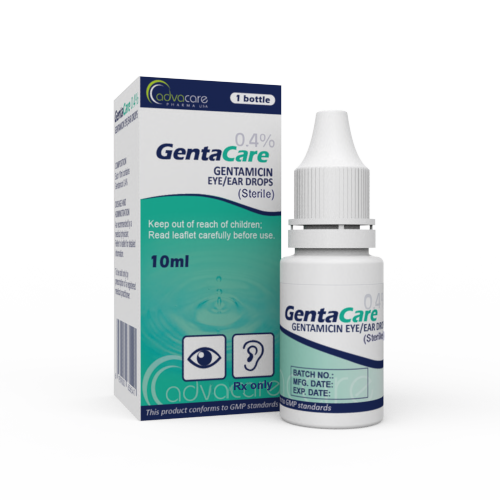
Gentamicin Sulfate Eye Drops
GentaCare™Gentamicin eye drops are an important antibiotic used to treat bacterial eye infections. They are widely supplied through hospital systems, pharmacies, and healthcare programs. This is especially true in emerging markets where affordable anti-infective medicines remain a priority.
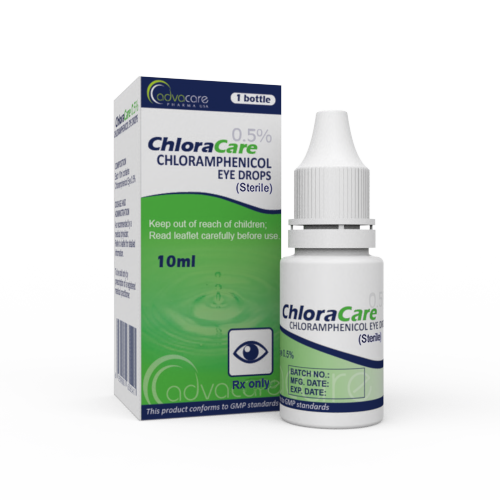
Chloramphenicol Eye Drops
ChloraCare™Chloramphenicol eye drops, also known as cloranfenicol, are widely supplied due to their established clinical use and affordability. Many healthcare systems rely on these products as an accessible treatment for bacterial eye infections.
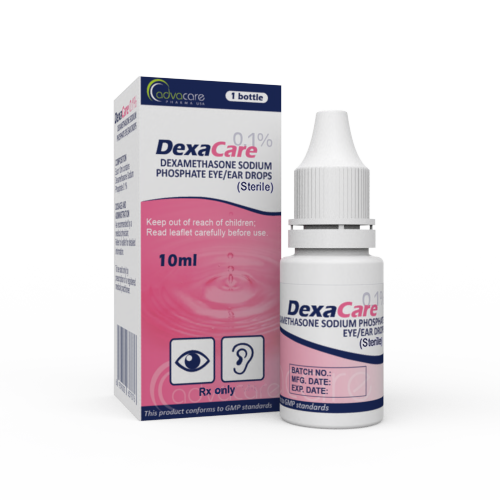
Dexamethasone Eye Drops
DexaCare™Dexamethasone eye drops are corticosteroid treatments for inflammatory eye conditions. Because corticosteroid formulations require careful control of potency and stability, manufacturers must have strong quality systems.
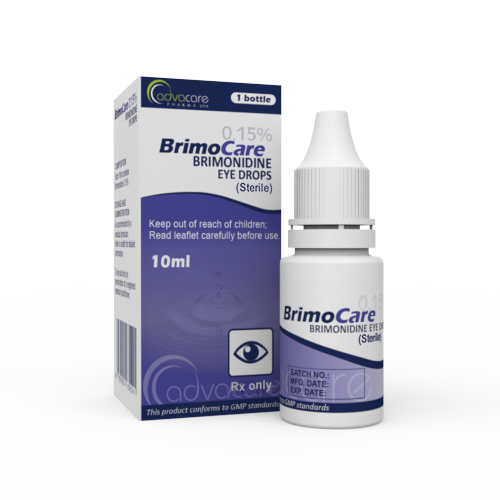
Brimonidine Eye Drops
BrimoCare™Brimonidine solutions are an important category for glaucoma treatment. They represent demand from specialty providers and chronic disease healthcare systems. Manufacturers must maintain strict control over active ingredient quality and dosage accuracy.
As global populations age and glaucoma cases increase, reliable suppliers for chronic eye conditions are becoming valuable partners for international distributors.
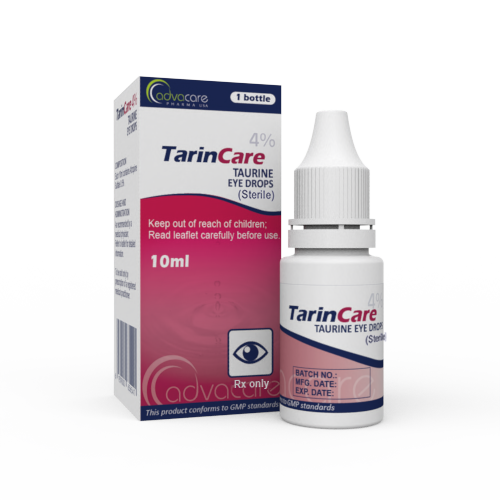
Taurine Eye Drops
TarinCare™Taurine eye drops represent supportive ophthalmic products supplied in various international markets. As healthcare systems focus more on preventive care and accessible treatments, demand for specialized formulations is expanding. Manufacturers with broad ophthalmic capabilities are better positioned to support distributors seeking complete eye-care portfolios.
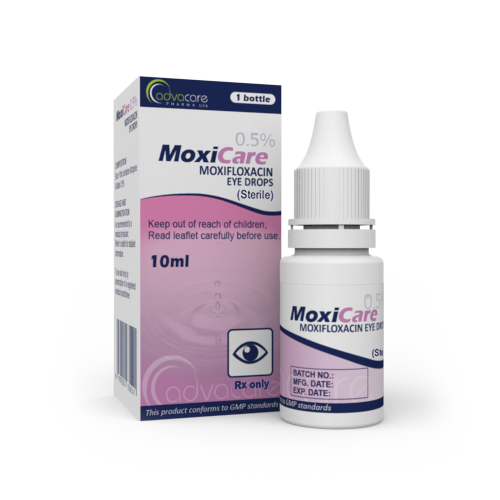
Moxifloxacin Eye Drops
MoxiCare™Moxifloxacin eye drops are an important ophthalmic antibiotic formulation used in the treatment of bacterial eye infections. As a newer-generation fluoroquinolone antibiotic, moxifloxacin has become a widely recognized product category within prescription ophthalmic care.
Global Eye Drop Manufacturer Comparison Summary
The global ophthalmic manufacturing industry includes large pharmaceutical corporations, specialized eye-care manufacturers, and export-focused pharmaceutical suppliers, each serving different segments of the international market.
1. Large companies such as Sun Pharma, Viatris, Teva, Sandoz, and Dr. Reddy’s offer extensive regulatory experience, large-scale production capabilities, and established supply networks across regulated markets.
2. Other manufacturers, including Ajanta Pharma and Micro Labs, demonstrate the importance of ophthalmology-focused portfolios, regional expertise, and flexibility in serving specific healthcare markets.
3. AdvaCare Pharma represents the export-focused segment of the pharmaceutical supply landscape, working with international distributors, healthcare organizations, and institutional buyers across global markets. The company’s approach focuses on supporting pharmaceutical partners through reliable supply capabilities, regulatory documentation, flexible partnership models, and solutions adapted to different market requirements.
The strongest supplier relationships are built on GMP compliance, consistent production quality, transparent communication, and the ability to support market-specific requirements. For distributors, the most suitable ophthalmic manufacturing partner depends on several factors:
✔GMP certification ✔Local registration experience ✔Product stability ✔Packaging suitability ✔Export documentation capability
Manufacturers experienced in supplying government tenders often have a competitive advantage.
Why AdvaCare Pharma™ is a Strategic Choice for Distributors
A Partnership Built on Reliability
AdvaCare Pharma bridges the gap between advanced pharmaceutical manufacturing capabilities and the practical needs of international distributors, healthcare organizations, and institutional buyers. As an export-focused pharmaceutical manufacturer, the company supports partners with a combination of quality-assured production, dossier-ready product solutions, regulatory documentation, and market-specific support designed to simplify the process of introducing pharmaceutical products into new territories. AdvaCare Pharma provides certification and technical documentation support, including GMP, ISO, COA, and other product-specific regulatory materials required for pharmaceutical registration and market access.
In the ophthalmic sector, where sterility, product consistency, and supply continuity are critical, AdvaCare Pharma focuses on providing reliable eye-care medicine solutions supported by controlled manufacturing processes and quality management systems. The company works with distributors to support registration requirements, product documentation preparation, packaging requirements, and supply planning, helping partners efficiently manage the operational challenges of bringing ophthalmic medicines to pharmacies, hospitals, government programs, and healthcare networks.
Beyond manufacturing, AdvaCare Pharma provides distributor-focused support designed to help partners develop and grow their pharmaceutical portfolios. This includes regulatory assistance, marketing support, product information resources, and flexible partnership models tailored to different regional markets. By combining pharmaceutical manufacturing expertise with commercial and operational support, AdvaCare Pharma serves as a long-term supply partner for distributors seeking reliable access to quality-assured ophthalmic and healthcare products.
Core Advantages for AdvaCare Pharma™ Partners

GMP-Compliant Global Market Access
AdvaCare Pharma supports distributors across 65+ countries with GMP-compliant pharmaceutical manufacturing and quality systems designed to meet international market requirements. The company helps partners access regulated and emerging healthcare markets by providing quality-assured products.

Distributor Partnership Support
Beyond manufacturing, AdvaCare Pharma has tailored partnership models that include regulatory assistance, product information resources, marketing support, and supply planning. This distributor-focused approach helps partners build sustainable pharmaceutical portfolios and expand access to essential medicines across international markets.

Ready-to-Submit Registration Documentation
AdvaCare Pharma supports partners throughout the pharmaceutical registration process by managing regulatory requirements and providing complete documentation packages for market entry, including product dossiers, Certificates of Pharmaceutical Product (CPP), Certificates of Analysis (CoA), and other technical documents required by local authorities. This end-to-end registration support helps distributors efficiently navigate approval processes.

Flexible Manufacturing & Stable Supply
AdvaCare Pharma operates manufacturing capabilities across key pharmaceutical regions, including the United States, India, Hong Kong, and China, providing a flexible production model adapted to different market requirements. This diversified approach enables optimized production based on product specifications, regulatory needs, and order volumes while supporting consistent quality, competitive pricing, and reliable supply.
Become an Ophthalmic Distribution Partner
FAQs for Ophthalmic Procurement Officers

Which region offers the best ROI for generic eye drops?
India currently offers the best ROI due to a combination of WHO-GMP certified manufacturing, massive economies of scale, and significant government investment through initiatives like 'Biopharma SHAKTI'.
How does the Contamination Control Strategy (CCS) protect distributors?
The CCS is a mandatory document that identifies every potential contamination risk. Sourcing from a CCS-compliant manufacturer protects you from batch failures and the legal liabilities of ocular infections.
What is the average timeline for product registration?
Timelines range from 6 to 24 months. Having a manufacturer-provided CTD dossier is the most important factor in preventing administrative delays during the Ministry of Health review.
What factors should distributors consider when selecting an eye drop supplier?
Distributors should evaluate manufacturing capabilities, regulatory experience, product portfolio, documentation support, production capacity, and supply reliability. The ideal supplier depends on the target market, required registrations, order volumes, and long-term business objectives.
What are the high-volume ophthalmic categories for 2026?
Antibiotic-steroid combinations and glaucoma treatments remain in the highest demand. You can explore our complete range of ophthalmologicals to see available formulations.
